

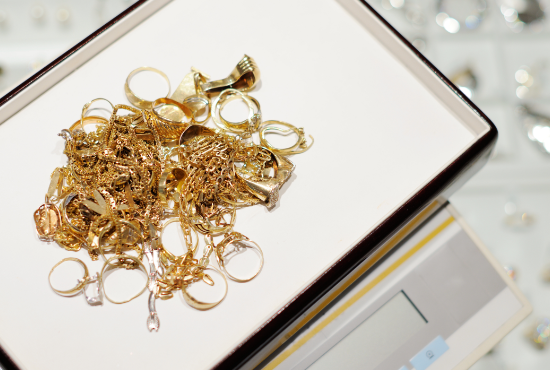
When life throws unexpected financial challenges your way, or when you’re looking to upgrade or sell your jewelry, pawn shops and gold buyers often become a convenient solution. These establishments provide immediate liquidity, whether you’re pawning a cherished diamond ring or selling gold items for cash. While the process might seem straightforward, there are nuances that buyers frequently overlook. Understanding how pawn shop diamond rings and gold buyers operate can save you money, protect your valuables, and help you make informed financial decisions.
Understanding Pawn Shops and Their Role
Pawn shops have existed for centuries, serving as a bridge between people seeking short-term loans and those looking for affordable luxury items. Unlike traditional banks, pawn shops offer loans without credit checks.
How Pawn Shops Work
The process is simple: you bring in an item of value, such as a diamond ring or gold rings, and the pawnbroker assesses its worth. In exchange, you receive a loan amount based on a percentage of the item’s appraised value. If you repay the loan within the agreed timeframe, you reclaim your item; if not, the pawn shop sells it to recover the loan.
Pawn shops also purchase items outright, which is where the connection to gold buyers becomes especially relevant. Selling directly to a pawn shop is often faster than selling through online marketplaces or consignment stores. Reputable shops prioritize transparency, providing clear appraisals and explaining how they arrived at their offer.
How Diamond Rings Are Valued
When it comes to pawn shop diamond jewelry, understanding how value is determined is essential. Diamonds are evaluated using the internationally recognized “Four Cs”: carat, cut, color, and clarity.
Carat
Carat measures the weight of the diamond. Larger stones typically have a higher value, but diamonds of the same carat can vary significantly depending on quality.
Cut
The cut affects how a diamond reflects light, influencing its brilliance. Well-cut diamonds often command a premium.
Color
Diamonds range from colorless to light yellow or brown. Completely colorless stones are rare and therefore more valuable.
Clarity
Clarity refers to the presence of internal flaws or inclusions. Diamonds with fewer inclusions are considered higher quality.
Beyond these factors, pawn shops consider market demand, brand recognition (if it’s a designer ring), and the metal setting, typically gold or platinum. Understanding these variables helps sellers negotiate better offers and buyers recognize true value.
Gold Buyers: What You Need to Know
Gold is one of the most liquid and universally recognized assets, making it a staple for both pawn shops and specialized gold buyers. The value of gold items is determined by weight, purity (measured in karats), and the current market price. Pure gold is 24 karats, but most rings contain alloys to enhance durability.
Reputable gold buyers weigh your items accurately, verify authenticity, and offer a price based on a percentage of market value. Pawn shops that act as gold buyers often combine this process with their jewelry appraisal services, providing a streamlined experience for clients unsure whether to sell or pawn.
It is important to shop around and compare offers. Some buyers provide immediate cash at a slightly lower rate, while others may offer better long-term value if you’re willing to negotiate. Additionally, knowing the difference between retail value (what a store might charge) and melt value (what gold is worth as raw material) helps set realistic expectations.
Tips for Selling or Pawning Jewelry
Selling or pawning jewelry, especially high-value items like diamond rings, requires preparation and research. Here are key tips:
Know Your Item
Obtain an independent appraisal if possible. This gives you a benchmark to compare offers from pawn shops and gold buyers.
Understand Market Prices
Both diamonds and gold fluctuate in value. Checking current market prices prevents underselling.
Visit Multiple Buyers
Don’t settle for the first offer. Visiting several pawn shops or gold buyers can give you leverage to secure a better deal.
Ask About Fees and Terms
If pawning, understand interest charges, loan duration, and any additional fees. Transparency is crucial to avoid surprises.
Keep Documentation
Certificates of authenticity or previous appraisals can increase your credibility and enhance your item’s perceived value.
Following these steps ensures you receive a fair offer, whether selling outright or securing a loan.
Benefits of Using Pawn Shops and Gold Buyers
While online marketplaces and auction sites are alternatives, pawn shops and gold buyers offer distinct advantages:
Immediate Cash
No waiting for a buyer or shipping your item. Offers are made instantly.
Convenience
Most shops are locally accessible and can handle a variety of items, from jewelry to watches and gold coins.
Privacy
Transactions are typically discreet, avoiding the exposure of selling personal items online.
Flexible Options
Pawning allows you to retain ownership while accessing short-term cash—a flexibility online selling cannot provide.
These benefits make pawn shops and gold buyers an attractive choice for those seeking quick liquidity or looking to sell jewelry efficiently.
Risks and How to Avoid Them
Despite their advantages, some risks exist when dealing with pawn shops and gold buyers. The most common concerns include:
Undervaluation
Without proper research, sellers may receive offers far below market value.
Scams
Dishonest buyers may misrepresent gold purity or diamond quality.
High Interest on Pawn Loans
Some shops charge high interest, reducing net returns if reclaiming a pawned item.
To mitigate these risks, always choose licensed, reputable institutions, request written appraisals, and educate yourself on the current market for diamonds and gold. Reading reviews and seeking recommendations can also provide peace of mind.
Conclusion
Pawn shop diamond rings, gold buyers, and the broader jewelry resale market offer both convenience and opportunities for financial liquidity. By understanding how diamonds and gold are valued, conducting research, and working with reputable buyers, individuals can make informed decisions that protect their investments.
Whether pawning a family heirloom or selling extra jewelry for immediate cash, knowledge and preparation remain your most valuable tools. Navigating this landscape doesn’t need to be daunting. With careful attention to appraisal, market trends, and buyer credibility, you can maximize returns while minimizing risk—making the process of selling or pawning jewelry both profitable and secure.